
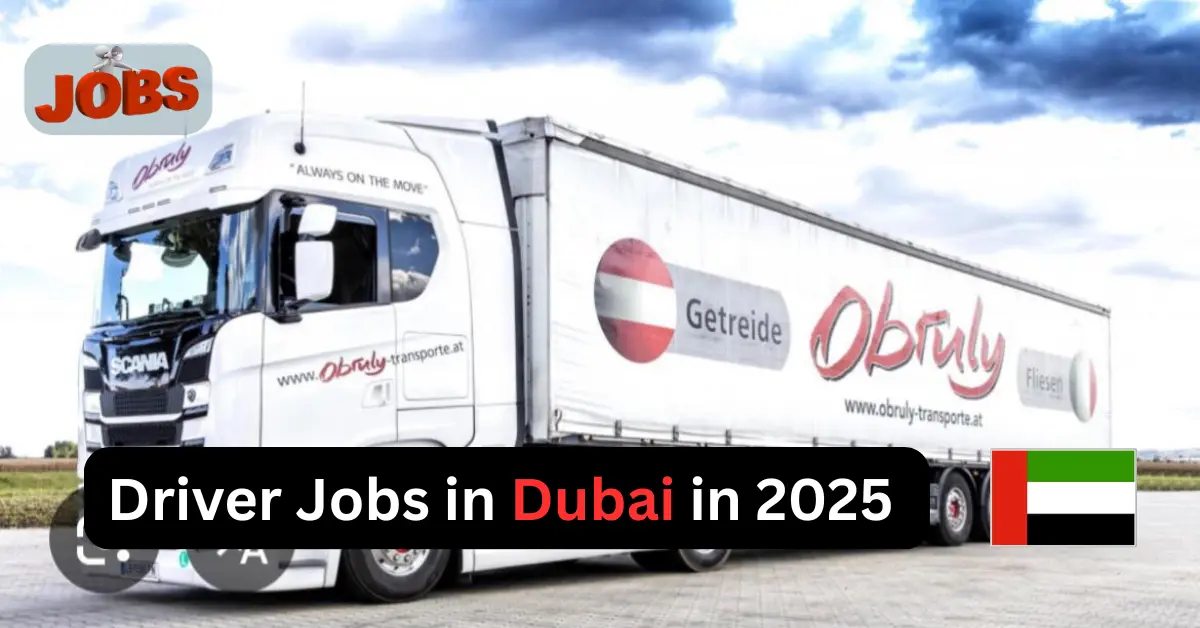
Dubai, known for its modern infrastructure, dynamic economy, and ever-growing expatriate population, continues to be a leading employment hub in the Middle East. As the city expands and diversifies across various industries, the demand for skilled drivers in both public and private sectors has significantly increased. In 2025, the landscape for driver jobs in Dubai is evolving with new opportunities, rising competition, and increasing expectations from employers. This section will explore the current scenario, the types of driver jobs available, qualifications required, and how international candidates can secure positions in this thriving market.
The Rise of Transportation and Mobility in Dubai
Dubai’s strategic focus on becoming a smart city has transformed its transportation sector. With ongoing development in logistics, e-commerce, tourism, and luxury lifestyle services, professional drivers are in higher demand than ever before. The launch of new residential communities, business hubs, and logistic centers across the UAE has led to an increase in delivery routes and personalized chauffeur services. As a result, the market for light vehicle drivers, heavy truck drivers, delivery drivers, and private chauffeurs is growing steadily.
This trend is reinforced by Dubai’s ambitious infrastructure projects, including the expansion of road networks, smart mobility systems, and sustainable transportation goals. Companies are constantly hiring experienced individuals to operate within these systems efficiently, especially in areas like Dubai South, Al Quoz, and Jebel Ali. These areas are witnessing a surge in logistics driver hiring due to the growing number of warehouses and industrial units.
Types of Driver Jobs in Dubai in 2025
The spectrum of driving-related employment in Dubai spans various industries. Some of the most in-demand roles include:
- Delivery Drivers – With the exponential rise in e-commerce and same-day delivery services, courier and parcel delivery jobs are highly sought-after. These positions often require familiarity with Dubai’s road networks and the ability to meet tight deadlines.
- Light Vehicle Drivers – Often working for corporate offices, hotels, or government departments, these drivers are responsible for transporting staff and executives across the city. Many job seekers specifically look for light vehicle driver jobs in UAE due to the relatively less physically demanding nature of the work.
- Heavy Truck Drivers – Crucial for logistics and construction sectors, heavy vehicle drivers handle cargo transport across Dubai and other emirates. These roles often require a UAE heavy vehicle driving license and prior experience in GCC countries.
- Taxi Drivers and Ride-Hailing Service Drivers – Companies like Careem and Uber have revolutionized the market for public transportation. Taxi drivers who partner with these platforms can earn competitive salaries with flexible work schedules.
- Chauffeurs and VIP Drivers – These drivers are employed by high-net-worth individuals, celebrities, or large corporate entities. Chauffeur opportunities in Dubai often require a strong command of English, polished etiquette, and experience driving luxury vehicles such as Rolls Royce, Bentley, and Mercedes-Benz.
- Bus Drivers – Public and private schools, tourism companies, and staff transport services are constantly hiring bus drivers. In 2025, this segment continues to expand due to the population growth in suburban communities and tourism districts.
Requirements and Qualifications for Driver Jobs in Dubai
To work as a driver in Dubai, candidates must meet specific legal and professional requirements. These include:
- Valid UAE Driving License – Depending on the type of vehicle, a valid license (such as Category 3 for light vehicles or Category 4 for heavy trucks) is mandatory. International drivers may convert their licenses or undergo training and testing.
- Experience – Most employers prefer candidates with a minimum of two years of driving experience in the UAE or other GCC countries. Familiarity with Dubai’s roads, traffic laws, and navigation systems is a major advantage.
- Language Skills – Basic English or Arabic proficiency is often required, especially for roles involving communication with clients or customers.
- Clean Driving Record – A history of safe driving, without serious traffic violations, is a key factor during the hiring process.
- Visa and Work Permits – For expatriates, securing a work visa sponsored by the employer is necessary. Some logistics companies also offer visa assistance as part of their recruitment packages.
Job Search Channels and Recruitment Platforms
In 2025, job seekers looking for driver vacancies in Dubai have access to multiple digital and offline channels. Online job portals such as Bayt, Dubizzle, Indeed UAE, and Naukrigulf are filled with listings for light vehicle driver jobs, delivery driver openings, and logistics company driver roles. Many companies also recruit directly through their websites or social media pages. Additionally, walk-in interviews are still common, particularly for delivery drivers and heavy vehicle roles.
One of the most effective ways to find reliable Dubai job vacancies for drivers is by working with a recruitment agency that specializes in transportation and logistics. These agencies help match qualified candidates with reputable employers, often providing visa guidance and employment contract reviews.
Salary Expectations and Benefits
The salary structure for driver jobs in Dubai varies based on the role, experience, and employer. On average, delivery drivers can expect to earn between AED 2,500 to AED 4,500 per month, often including commission or incentive-based pay. Light vehicle drivers employed by corporate entities usually earn between AED 3,000 to AED 5,000, while heavy truck drivers can make AED 4,000 to AED 6,500 depending on their route and cargo type.
Private chauffeurs and VIP drivers often receive higher compensation, especially when working for elite clients or multinational companies. These roles may offer benefits such as accommodation, fuel allowance, health insurance, and overtime pay. In contrast, freelance taxi and ride-hailing drivers might see variable income based on demand, hours worked, and peak periods.
Work Culture and Lifestyle of Drivers in Dubai
Driving jobs in Dubai can be rewarding but also demanding. Long hours, traffic congestion, and extreme weather conditions can add to the challenges. However, the city’s structured road systems, digital maps, and safety regulations ensure smoother navigation compared to many global metropolises.
Dubai offers a multicultural environment with professional standards and modern living conditions. For drivers relocating from countries such as India, Pakistan, Nepal, or the Philippines, the tax-free income and potential for career growth make Dubai a desirable destination. Many logistics and transportation firms offer free accommodation, transport, and food allowances to help ease the transition for foreign workers.
Moreover, with the introduction of AI-based traffic monitoring systems and real-time logistics tracking, the work environment for drivers is becoming more organized and efficient. Companies are also investing in fleet management software and driver performance evaluation systems to ensure compliance and safety.
Driver Jobs in Dubai in 2025
As Dubai continues to cement its reputation as a global logistics and business hub, the demand for competent and professional drivers is expected to rise even further throughout 2025. The second half of this article dives deeper into future trends, challenges faced by drivers, strategies to stand out in the job market, and how government initiatives and technological innovations are shaping the future of driver careers in Dubai and the broader UAE.
Future Trends in the Driving Sector
Several new developments are influencing the driver job market in Dubai. Among these, the shift toward sustainability and automation is particularly notable. With the UAE’s vision to reduce carbon emissions and promote electric vehicles (EVs), many transport companies are updating their fleets to include hybrid and electric models. Drivers with knowledge of EV operations, charging infrastructure, and eco-driving practices are gaining an edge over traditional candidates.
Additionally, the integration of Artificial Intelligence in logistics and fleet management systems is transforming how transport companies operate. From optimized routing to real-time delivery tracking, drivers must adapt to using digital tools and applications that monitor performance, delivery times, and customer satisfaction. Companies are increasingly hiring individuals who are tech-savvy and comfortable using tablets, GPS apps, and fleet management dashboards.
The growth of e-commerce is another powerful driver of demand. With more residents relying on online shopping for groceries, electronics, and personal items, companies are scaling up their delivery operations. This has opened up thousands of new delivery driver opportunities in Dubai, especially within firms like Talabat, Noon, Amazon UAE, and Careem NOW. These companies are frequently advertising Dubai job vacancies for riders and van delivery drivers with flexible shifts and performance-based incentives.
Challenges Faced by Drivers in Dubai
While the market offers a wide range of opportunities, working as a driver in Dubai also comes with specific challenges. The first is the intense competition. Dubai attracts job seekers from all over the world, and the availability of skilled drivers from South Asia, Africa, and Eastern Europe means that employers have a large pool to choose from. To remain competitive, drivers must demonstrate professionalism, strong references, and in some cases, multilingual abilities.
Another challenge is the long working hours, especially for delivery and logistics drivers. Drivers are often expected to cover extended shifts during peak periods like Ramadan, Eid, or the Dubai Shopping Festival. This can lead to fatigue and stress if not managed properly.
Navigating Dubai’s complex road system is also a concern for new drivers. Despite well-maintained highways and smart road infrastructure, heavy traffic in areas like Sheikh Zayed Road, Business Bay, and Deira can lead to delays and complications. Understanding traffic regulations and using smart navigation apps becomes essential for timely performance.
Cultural differences and communication barriers may also affect job satisfaction and performance. Drivers working with high-profile clients or multinational corporations are often required to maintain strict confidentiality, punctuality, and high service standards. Failing to meet these expectations can result in immediate job termination, so adapting to Dubai’s corporate and service culture is vital.
Strategies to Succeed as a Driver in Dubai
For those looking to secure long-term employment in Dubai’s driving sector, standing out is critical. Here are some of the most effective strategies:
- Professional Training and Licensing – Enroll in a reputable driving institute in Dubai or Sharjah to upgrade your skills. Institutes like Emirates Driving Institute or Galadari Motor Driving Centre offer programs that prepare drivers for a variety of roles, from delivery services to executive transport.
- Learn Basic Customer Service Etiquette – Especially for roles like chauffeurs and ride-hailing drivers, understanding customer needs, managing complaints professionally, and maintaining a clean and presentable vehicle will boost your reputation.
- Keep Your Documents Updated – Many job seekers are rejected simply due to expired licenses or incomplete visa paperwork. Stay compliant with UAE labor laws and ensure your documentation is always in order.
- Apply on Targeted Portals – Instead of general job sites, focus on platforms that specialize in logistics, transportation, or blue-collar employment. Examples include GulfTalent, Skillbee, and Driver Jobs in Dubai-specific Facebook groups.
- Improve Your Language Skills – Fluency in English or Arabic can open doors to higher-paying positions. Some companies even provide language classes to help drivers communicate better with customers and managers.
- Network and Build Referrals – Recommendations from past employers or co-workers can help secure better roles. Participate in job fairs and driver recruitment events held in Dubai and Sharjah to meet potential employers face-to-face.
Government Regulations and Support for Drivers
Dubai’s Roads and Transport Authority (RTA) plays a major role in shaping the standards and licensing processes for drivers. The RTA continues to roll out driver safety campaigns, regulate taxi services, and monitor logistics fleets to ensure safety and service quality. In 2025, new digital tools and mobile apps from RTA allow drivers to renew licenses, register for tests, and track their service points without visiting offices physically.
There is also growing support from the government for fair wages and labor rights in the private transport sector. As part of the UAE’s vision for worker welfare, many companies are being mandated to provide drivers with housing, health insurance, and transportation allowances. These benefits not only improve job satisfaction but also attract more expatriates to apply for driver vacancies in UAE.
Rise of Specialized Driving Roles
Beyond the traditional driver categories, new specialized roles are emerging. For example, medical transportation drivers are hired by hospitals and ambulance services to transport patients between facilities. These roles require special training and offer higher salaries due to their sensitive nature.
Another emerging opportunity lies in executive transport services, where companies hire experienced chauffeurs for top executives, visiting dignitaries, or VIP guests. Candidates for such roles are often required to pass background checks, wear formal attire, and understand etiquette suitable for high-profile individuals.
Similarly, armored vehicle drivers are in demand within the banking and security sectors. These positions are well-compensated and require extensive training in vehicle handling and emergency protocols.
Adapting to New Mobility Solutions
Dubai’s investment in smart city technology is also transforming the driving profession. The city has introduced autonomous shuttle trials and electric public transport systems. While full automation is still a few years away, the driving workforce is already being trained to assist in semi-automated environments, where drivers collaborate with technology rather than being replaced by it.
Additionally, last-mile delivery solutions, including the use of e-scooters and electric bicycles, are giving rise to new micro-mobility delivery roles. Companies are hiring compact vehicle operators for congested urban areas and short delivery routes, offering a new stream of employment in high-density zones like Downtown Dubai and Marina.
Conclusion
Driver jobs in Dubai in 2025 reflect the rapid modernization of the emirate’s workforce needs. From logistics and delivery to luxury chauffeur services, the demand for skilled and responsible drivers is rising across all sectors. However, with this demand comes the need for better qualifications, professionalism, and adaptability.
Success in this competitive market requires a combination of updated licenses, strong communication skills, awareness of new technologies, and a solid understanding of Dubai’s cultural and legal framework. Whether you are a newcomer seeking jobs in UAE for the first time or a seasoned driver looking to upgrade your career, the opportunities in Dubai’s transportation sector are wide-ranging and lucrative.
FAQs
To apply for a driver job in Dubai, applicants must have a valid UAE driving license for the specific vehicle type (light vehicle, heavy truck, or bus). Most employers also require at least 2 years of relevant driving experience, a clean driving record, and basic communication skills in English or Arabic. For expatriates, a work visa sponsored by the employer is essential.
Driver salaries in Dubai vary by role and experience. Delivery drivers typically earn between AED 2,500 to AED 4,500 monthly, while light vehicle drivers receive AED 3,000 to AED 5,000. Heavy truck drivers and specialized roles like VIP chauffeurs can earn AED 4,000 to AED 7,000 or more, depending on company benefits, overtime, and performance bonuses.
The highest demand is in logistics and delivery, especially from e-commerce companies like Amazon UAE, Talabat, and Noon. Additionally, the hospitality and tourism sectors frequently hire chauffeurs and shuttle drivers. The construction and cargo transport industries continue to recruit heavy vehicle drivers due to ongoing development projects across the UAE.
Yes, foreigners can apply for driver jobs in Dubai without prior UAE experience, especially for entry-level delivery or company driver positions. However, having GCC or UAE experience gives applicants a competitive advantage. Many logistics and transportation companies offer training and visa support for selected candidates from countries like India, Pakistan, the Philippines, and Nepal.
The best methods include applying through trusted online job portals like Dubizzle, Indeed UAE, and Bayt, or through recruitment agencies specializing in transport and logistics. Walk-in interviews are common for delivery driver jobs. Networking through referrals, joining UAE-based job groups on social media, and directly contacting companies with job openings are also highly effective strategies.